
The Philippine passport has climbed to 72nd place in the world and 7th in Southeast Asia, according to the latest Henley Passport Index. This is a slight improvement from the country’s ranking last year.
If you’re planning to travel abroad or apply for a new passport, here’s what this ranking means for you, how the Philippines compares to its neighbors, and what access Filipino passport holders currently have.
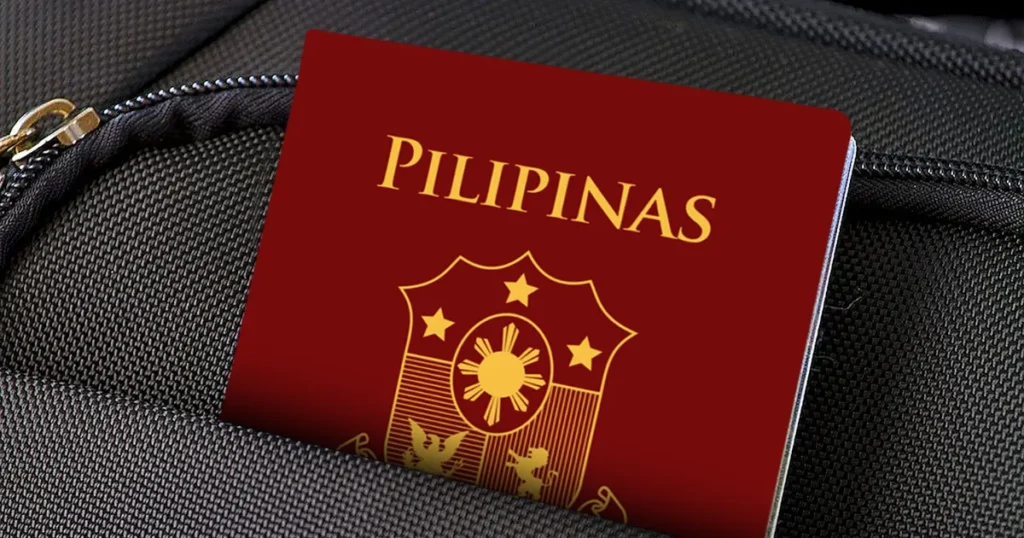
Philippine’s 2026 Passport Ranking
The Henley Passport Index released its second 2026 edition on July 21, placing the Philippines at 72nd, tied with Benin and Uganda.
- Global rank: 72nd (tied with Benin and Uganda)
- Southeast Asia rank: 7th
- Visa-free destinations: 65 out of 227 possible destinations
- Previous ranking (2025): 75th
This means the Philippines moved up three spots compared to last year. Over the past 20 years, the country’s passport has ranked as low as 83rd, which happened in 2021.
How the Philippines Compares to Other Southeast Asian Countries
Here’s where the Philippines stands among its ASEAN neighbors:
| Rank | Country |
|---|---|
| 1st (globally) | Singapore |
| 7th (globally) | Malaysia |
| 19th | Brunei |
| 52nd | Timor-Leste |
| 63rd | Thailand |
| 68th | Indonesia |
| 72nd | Philippines |
| 87th | Vietnam |
| 88th | Cambodia |
| 89th | Laos |
| 91st | Myanmar |
Singapore holds the world’s most powerful passport for the third edition in a row, giving its citizens visa-free or visa-on-arrival access to 192 destinations.
About the Henley Passport Index
The Henley Passport Index has tracked passport strength since 2006, making 2026 its 20th year of data. It’s widely regarded as the most authoritative global ranking of its kind, covering 199 passports and 227 travel destinations.
Christian Kaelin, chairman of Henley & Partners and the index’s creator, said the two decades of data show that passport strength reflects a country’s geopolitical standing, not just its peace or economic status.
Kaelin explained that countries with strong passports are typically the ones other nations actively want as partners in trade, investment, security, and broader cooperation.
He added that mobility ultimately signals how much value other countries place on their relationship with a given country.
What This Means If You’re Applying for a Passport
A stronger passport ranking doesn’t change your application process, but it does affect where you can travel visa-free once you have your passport in hand.
If you’re applying for the first time or renewing yours, you’ll still need to follow the standard DFA appointment and documentation process.
READ: How to Book a DFA Appointment Online
FAQs
What does “visa-free access” mean?
It means Filipino passport holders can enter these 65 destinations without needing to apply for a visa beforehand, though some may still require visa-on-arrival or an electronic travel authorization.
Why did the Philippine’s ranking improve?
The Henley Passport Index is updated based on changes in visa policies among the 227 tracked destinations. An improved rank usually means more countries have opened visa-free access to Philippine passport holders, or other countries dropped in rank relative to the Philippines.
Is the Philippine’s passport the weakest in Southeast Asia?
No. Vietnam, Cambodia, Laos, and Myanmar all rank lower than the Philippines in the current index.
How often is the Henley Passport Index updated?
It’s released quarterly, with the July 21 release marking the second edition for 2026.